
Blog
How SoftWave Therapy Activates Your Body's Own Repair Response
Why the Real Question Is Not What SoftWave Adds, but What It Wakes Up
If you have lived in the Lehigh Valley long enough, you have probably tried the usual routine for a stubborn injury: anti-inflammatories, a brace, maybe an injection that quieted things for a few weeks before the ache crept back. Those approaches share a common trait. They act on the surface of the problem, dulling the signal your body is sending without ever changing the tissue underneath. That is why so many people in Emmaus, Allentown, and Bethlehem feel stuck in a cycle of temporary relief. The pain returns because the underlying tissue never improved.
At First Choice Chiropractic, Neurology, & Rehabilitation Center, Dr. Kurt R. Schichtl, DC, takes a different starting point. Instead of asking what can be added to the body to cover up a symptom, the more useful question is what the body already knows how to do and how to switch that process back on. SoftWave Tissue Regeneration Therapy is built around that idea. It does not introduce a drug, a foreign substance, or an implant. It sends a mechanical signal into the tissue and lets your own repair machinery do the work.
Your Body Already Owns a Repair System
Every human body carries a built-in maintenance crew. When you cut your finger, you do not consciously direct the healing. Cells migrate to the wound, inflammation rises and then resolves, new blood vessels form, and fresh tissue fills the gap. This cascade runs automatically, and it works beautifully for fresh injuries. Chronic problems live in a different neighborhood. Old injuries, degenerated joints, and stubborn tendons tend to sit in tissue with poor circulation and low cellular activity. The signal that would have called the repair crew faded long ago, and the tissue has gone quiet. It is not beyond help. SoftWave therapy is designed to be the wake-up call, reintroducing a strong, focused mechanical signal into that dormant area so the healing conversation can start again.
What Actually Happens in the Tissue
SoftWave TRT uses electrohydraulic, spark-generated acoustic waves that are broad-focused through a patented parabolic reflector. In plain terms, a controlled spark creates an acoustic wave, and the applicator spreads that energy across a wide, deep field rather than a narrow point. This is what sets it apart from radial, electromagnetic, and piezoelectric devices. The wave reaches deeper structures and touches a larger volume of tissue in a single pass, which matters when you are trying to reach an area the body has neglected. Once it arrives, it triggers a chain of natural responses. None of these are things the device puts into you. They are responses your own cells generate.
Resident stem cell activation and migration
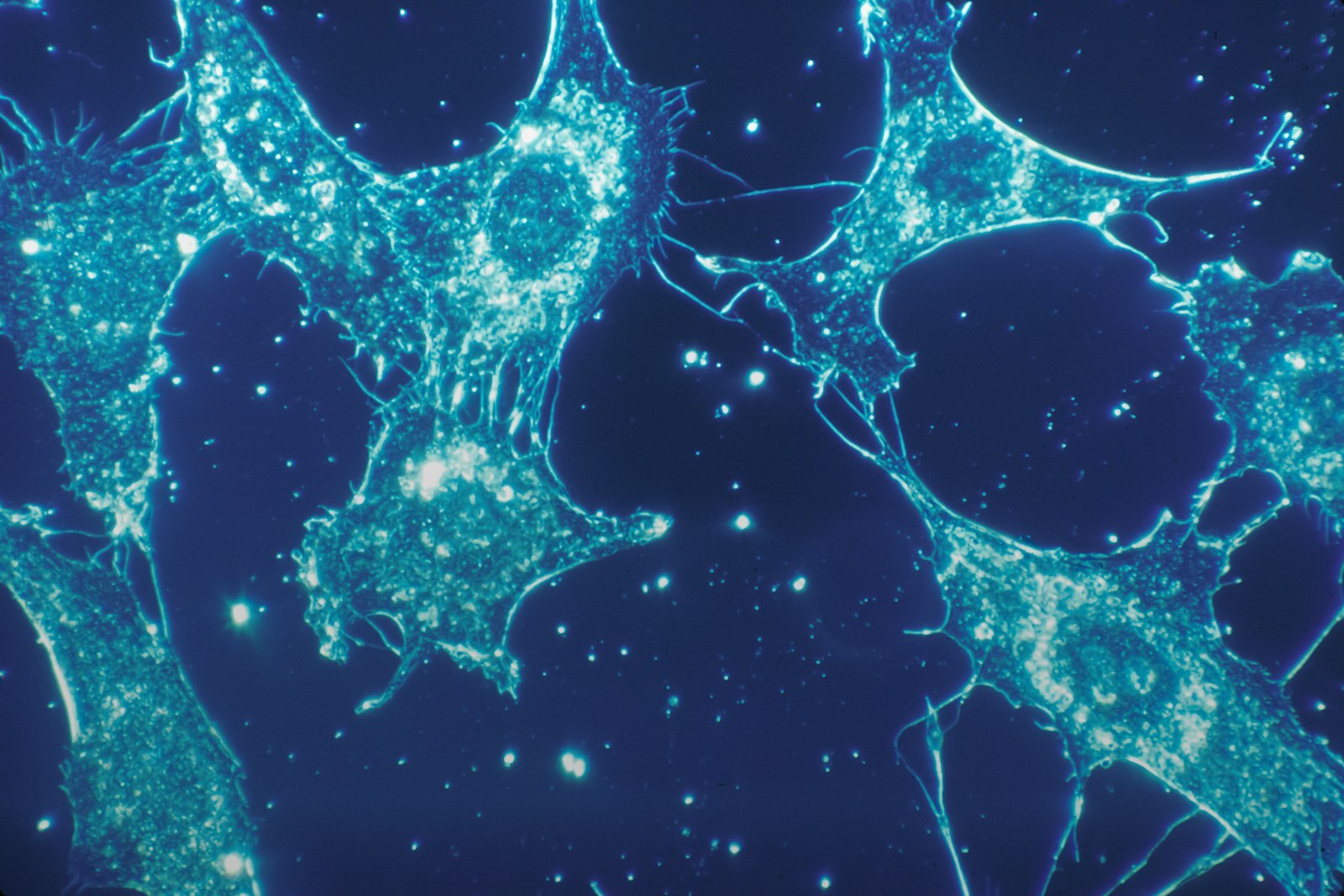
Your body maintains reserves of resident stem cells, sometimes described as the tissue's own repair reserves. These are not injected or borrowed from anywhere else. They already live in and around your tissues, waiting for a reason to work. The mechanical signal from SoftWave is designed to activate these local cells and encourage them to migrate toward the area that needs attention, like ringing a bell that calls them to the job site. The goal is to support the body's own recruitment of the cells it already has.
Connective tissue activation
Tendons, ligaments, and fascia are living, adaptive structures, not static rubber bands. SoftWave is designed to activate connective tissue, prompting the cells within it to become more metabolically engaged so it can better participate in the rebuilding that healthy repair requires. For someone whose nagging tendon has stopped responding to rest and stretching, that reactivation is often the missing piece.
Modulation of inflammation
Inflammation has a bad reputation, but it is not the enemy. It is a necessary phase of healing. The problem in chronic conditions is that inflammation gets stuck, lingering long after it should have resolved and quietly irritating the tissue. SoftWave is thought to help modulate this response, nudging the tissue away from a stalled, low-grade inflammatory state and back toward the constructive phase of repair. The aim is balance, not simply shutting inflammation off the way a pill might.
Clearance of senescent cells
Over time, some cells stop dividing and stop doing useful work, yet they refuse to clear out. These senescent cells can clutter a tissue environment and interfere with healthy neighbors, and part of what makes an area feel chronically stuck is this accumulation of cells no longer pulling their weight. SoftWave is associated with supporting the clearance of these worn-out cells, tidying the environment so healthier, more active tissue has room to work.
Notice the common thread across all four mechanisms. In each case, SoftWave is a signal, and your body supplies the biology. The therapy simply reopens a line of communication your body already speaks fluently.
How This Differs From Masking a Symptom
Here the contrast with conventional symptom management becomes clear. A pain reliever works by blocking the perception or chemistry of pain. It is useful for a rough day, but when it wears off, the tissue is exactly as it was. An injection that calms inflammation can buy real comfort, yet it does not rebuild a worn tendon or recruit a single repair cell.
SoftWave takes aim at a different target. Rather than editing the volume on your pain signal, it works to change the condition of the tissue producing that signal. When resident cells activate, blood flow temporarily increases, inflammation rebalances, and worn-out cells clear, the environment shifts. Relief that follows reflects a change in the underlying problem rather than a temporary cover over it.
To be honest and measured: SoftWave is not a cure, it is not a guarantee, and it is not a substitute for medical care. Results vary from person to person, and the healing response can continue for weeks to months after your last session as the body keeps working. A consultation is the only way to know whether you are a good candidate.
If you are in the Lehigh Valley and you are tired of treatments that only quiet a symptom while the real problem sits untouched, request a SoftWave consultation at First Choice Chiropractic and find out whether your body's own repair response can be reactivated.
What a Course of Care Feels Like
One reason people appreciate this approach is how undramatic the sessions are. SoftWave is non-invasive. There are no needles, no drugs, no surgery, and no downtime. A typical session runs about 10 to 15 minutes, and most people return to their normal day afterward. Because you are working with a biological process rather than a quick chemical override, care is usually delivered as a series over roughly six to eight weeks. Many patients report that changes build steadily rather than arriving all at once, which fits the biology of a body doing its own repair on its own schedule.
The technology has been studied at leading institutions and is used by clinicians who work with professional and collegiate athletes. The core idea stays simple: SoftWave does not add anything to your body, it reminds your body to do what it already knows how to do. For Lehigh Valley residents frustrated by symptom-masking options, that shift can be the difference between managing a problem indefinitely and giving the tissue a real chance to improve.
Ready to Take the Next Step?
If you would rather reactivate your body's own repair response than keep covering up the same recurring symptom, SoftWave therapy may be worth exploring. A short consultation with Dr. Schichtl will help determine whether you are a candidate.
Request your SoftWave Therapy new patient visit online today
Contact First Choice Chiropractic
First Choice Chiropractic, Neurology, & Rehabilitation Center
1301 Chestnut St
Emmaus, PA 18049
Phone: 610-967-4996
Our Main Office Website: https://fcemmauschiro.com/
‹ Back
Recent Posts
-
-
SoftWave Therapy for Tennis Elbow and Golfer's Elbow
June 2, 2026
-
SoftWave Therapy for Physically Demanding Jobs
May 12, 2026
-
SoftWave Therapy for Pickleball Players: Stay in the Game
April 21, 2026
-