
Blog
SoftWave Therapy for Tennis Elbow and Golfer's Elbow
SoftWave Therapy for Tennis Elbow and Golfer's Elbow in the Lehigh Valley
That nagging ache on the outside or inside of your elbow has a way of following you everywhere. It shows up when you shake hands, lift a coffee mug, turn a screwdriver, or reach for a bag of groceries. For active people across the Lehigh Valley, tennis elbow and golfer's elbow are among the most frustrating overuse injuries because they tend to linger for months and interfere with the ordinary tasks you never used to think about. At First Choice Chiropractic, Neurology, & Rehabilitation Center in Emmaus, PA, Dr. Kurt R. Schichtl, DC helps patients address these stubborn elbow conditions with a conservative, non-invasive approach that includes SoftWave Tissue Regeneration Technology (TRT).
If you have tried rest, braces, and over-the-counter pain relievers without much progress, you are not alone. This article explains what tennis elbow and golfer's elbow actually are, why they are so slow to resolve, and how SoftWave therapy is designed to support the body's own repair processes at the tendon.
What Are Tennis Elbow and Golfer's Elbow?
Both conditions are forms of tendinopathy, meaning they involve irritation and breakdown of the tendons that attach the forearm muscles to the bony bumps of the elbow. The two conditions are close cousins that differ mainly in location.
- Tennis elbow (lateral epicondylitis) affects the tendons on the outer side of the elbow, where the muscles that extend the wrist and fingers attach. Pain is usually felt on the outside of the elbow and can travel down the forearm, especially when gripping or lifting with the palm facing down.
- Golfer's elbow (medial epicondylitis) affects the tendons on the inner side of the elbow, where the muscles that flex the wrist and fingers attach. Pain concentrates on the inside of the elbow and may radiate toward the wrist.
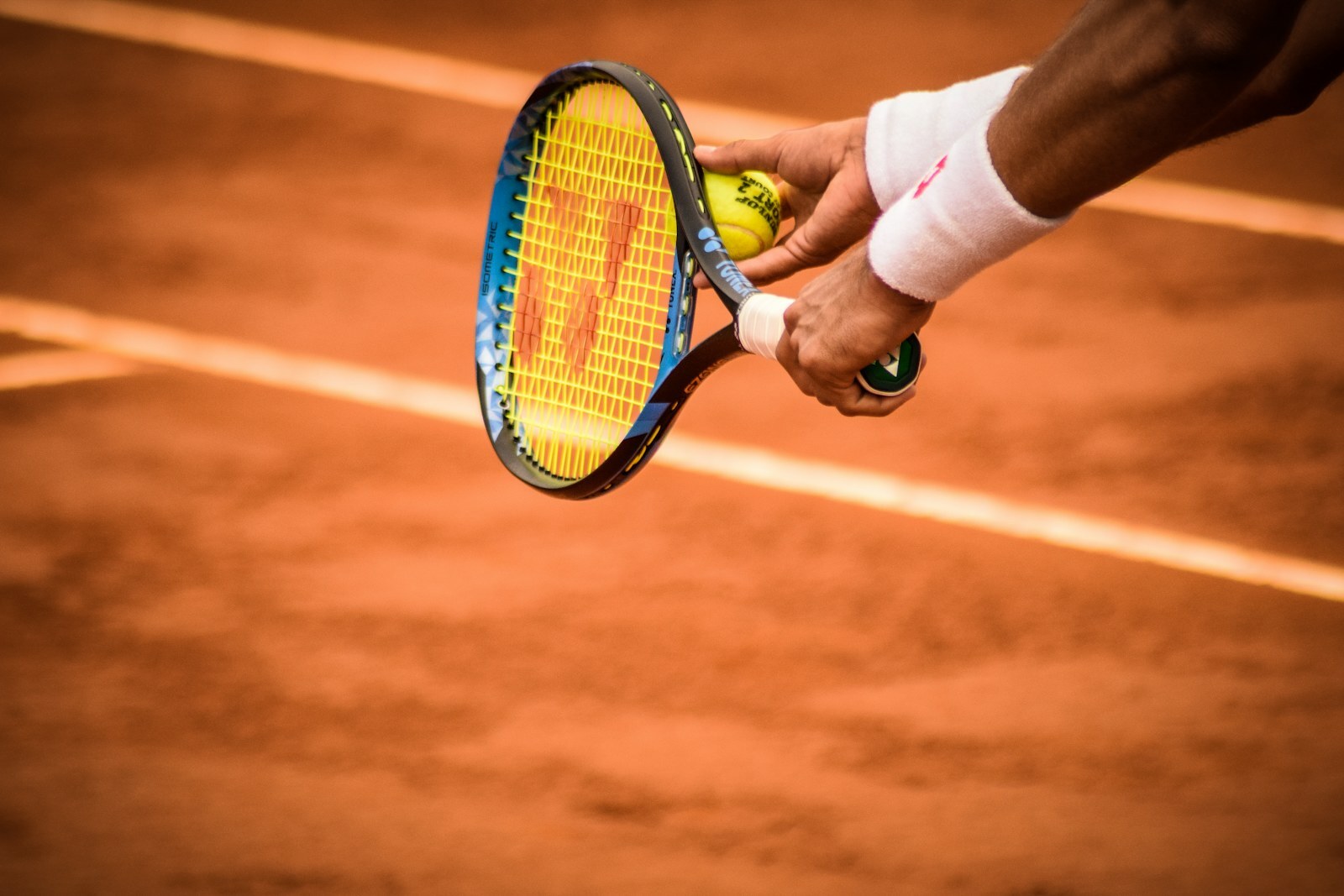
Despite the names, you do not have to play tennis or golf to develop either one. These are overuse injuries, and repetitive strain from many everyday activities can be the real culprit. Common contributors include racquet sports, golf, throwing sports, repetitive gripping and lifting, and the demands of trades such as carpentry, plumbing, painting, electrical work, and landscaping. Assembly line work, extended computer and mouse use, and even repetitive kitchen tasks can add up over time. Anything that loads the same forearm tendons again and again, day after day, can gradually tip them from healthy into irritated and painful.
Why These Elbow Conditions Are So Stubborn
Many people are surprised at how long tennis elbow and golfer's elbow can drag on. The reason comes down to the biology of tendons. Unlike muscles, which have a rich blood supply, tendons are relatively poorly supplied with blood vessels. Circulation delivers the oxygen, nutrients, and repair cells that tissue needs to heal, so when a tendon has limited blood flow, its capacity to recover from repeated microdamage is slower and less efficient.
Over time, the tendon fibers can develop small areas of degeneration rather than the clean inflammation of an acute injury. This is one reason the older term "epicondylitis," which implies inflammation, has given way to "tendinopathy" in much of the current understanding. The tissue is not simply inflamed. It is struggling to remodel and rebuild itself. Add in the fact that most of us cannot fully rest our arms, since work and daily life keep loading the tendon, and you have a recipe for a problem that can persist for many months.
This is exactly why approaches that aim to improve local circulation and stimulate tissue repair are so relevant for the elbow. Rather than only masking pain, the goal is to give a poorly nourished tendon a better environment to heal.
How SoftWave Therapy Supports Tendon Repair
SoftWave TRT uses electrohydraulic, spark-generated acoustic waves that are broadly focused through a patented parabolic reflector. It is the only broad-focused shockwave technology, which sets it apart from radial, electromagnetic, and piezoelectric devices. These acoustic waves penetrate into the tissue and are designed to trigger the body's natural healing cascade at the treated area, which makes the technology a natural fit for a low-circulation structure like an elbow tendon.
In plain language, here is what SoftWave is designed to do at the cellular level:
- Support new blood vessel formation (angiogenesis) through signaling such as VEGF and eNOS, which may help improve circulation to a tendon that normally receives limited blood flow.
- Activate and mobilize the body's resident stem cells, drawing repair cells toward the injured tissue.
- Encourage cell proliferation and collagen activity through factors such as PCNA and BMP, which are involved in rebuilding strong, organized tendon tissue.
- Help modulate inflammation and regulate toll-like receptor activity, supporting a healthier repair response.
- Assist in clearing out senescent (worn-out) cells so that healthier tissue can take their place.
Among its FDA-cleared uses, SoftWave is cleared for the activation of connective tissue, a temporary increase in blood flow, and the temporary relief of minor muscle and joint pain. Those first two points, connective tissue activation and improved blood flow, speak directly to the core challenge of tendon healing at the elbow.
What to Expect During SoftWave Sessions
One of the reasons patients appreciate SoftWave is how straightforward the experience is. Treatment is non-invasive, with no needles, no drugs, no surgery, and no downtime. A typical session runs about 10 to 15 minutes, and most people return to their day immediately afterward. Care is usually delivered as a series of sessions over roughly 6 to 8 weeks, and because the therapy works by stimulating your own biology, healing can continue for weeks to months after your final visit.
During a session, the applicator is moved over the painful area of the elbow and forearm. Many patients report a tapping or pulsing sensation, and the treatment often helps map out exactly where the tissue is most reactive.
If you are in the Lehigh Valley and elbow pain is limiting your grip, your workouts, or your workday, request a SoftWave consultation at First Choice Chiropractic to find out whether you are a candidate.
SoftWave as Part of a Bigger Plan
SoftWave rarely works best in isolation, and that is a good thing. Because tennis elbow and golfer's elbow are overuse conditions, addressing the underlying strain matters as much as treating the tendon itself. Dr. Schichtl often combines SoftWave with activity modification and chiropractic care so that the whole picture is considered.
Activity modification might mean adjusting your grip, technique, or equipment, taking short recovery breaks during repetitive tasks, or temporarily reducing the loads that flare your symptoms. Chiropractic care can address how the neck, shoulder, wrist, and elbow move together, since restrictions elsewhere in the arm and spine can quietly increase the demand on your forearm tendons. Targeted stretching and strengthening, introduced at the right time, help rebuild resilient tissue so the problem is less likely to return.
It is worth being realistic. SoftWave is not a guaranteed cure, and results vary from person to person depending on how long the condition has been present, your overall health, and the demands you place on your arm. A thorough consultation and examination are how Dr. Schichtl determines whether SoftWave is appropriate for your specific situation. The aim is always a conservative, non-surgical path that supports your body's own ability to heal.
Ready to Take the Next Step?
Stubborn elbow pain does not have to be something you simply live with or push through. If tennis elbow or golfer's elbow is holding you back, a consultation can help you understand your options and whether SoftWave is a good fit.
Request your SoftWave Therapy new patient visit online today
Contact First Choice Chiropractic
First Choice Chiropractic, Neurology, & Rehabilitation Center
1301 Chestnut St
Emmaus, PA 18049
Phone: 610-967-4996
Our Main Office Website: https://fcemmauschiro.com/
‹ Back
Recent Posts
-
-
SoftWave Therapy for Tennis Elbow and Golfer's Elbow
June 2, 2026
-
SoftWave Therapy for Physically Demanding Jobs
May 12, 2026
-
SoftWave Therapy for Pickleball Players: Stay in the Game
April 21, 2026
-