
Blog
SoftWave Therapy for Physically Demanding Jobs
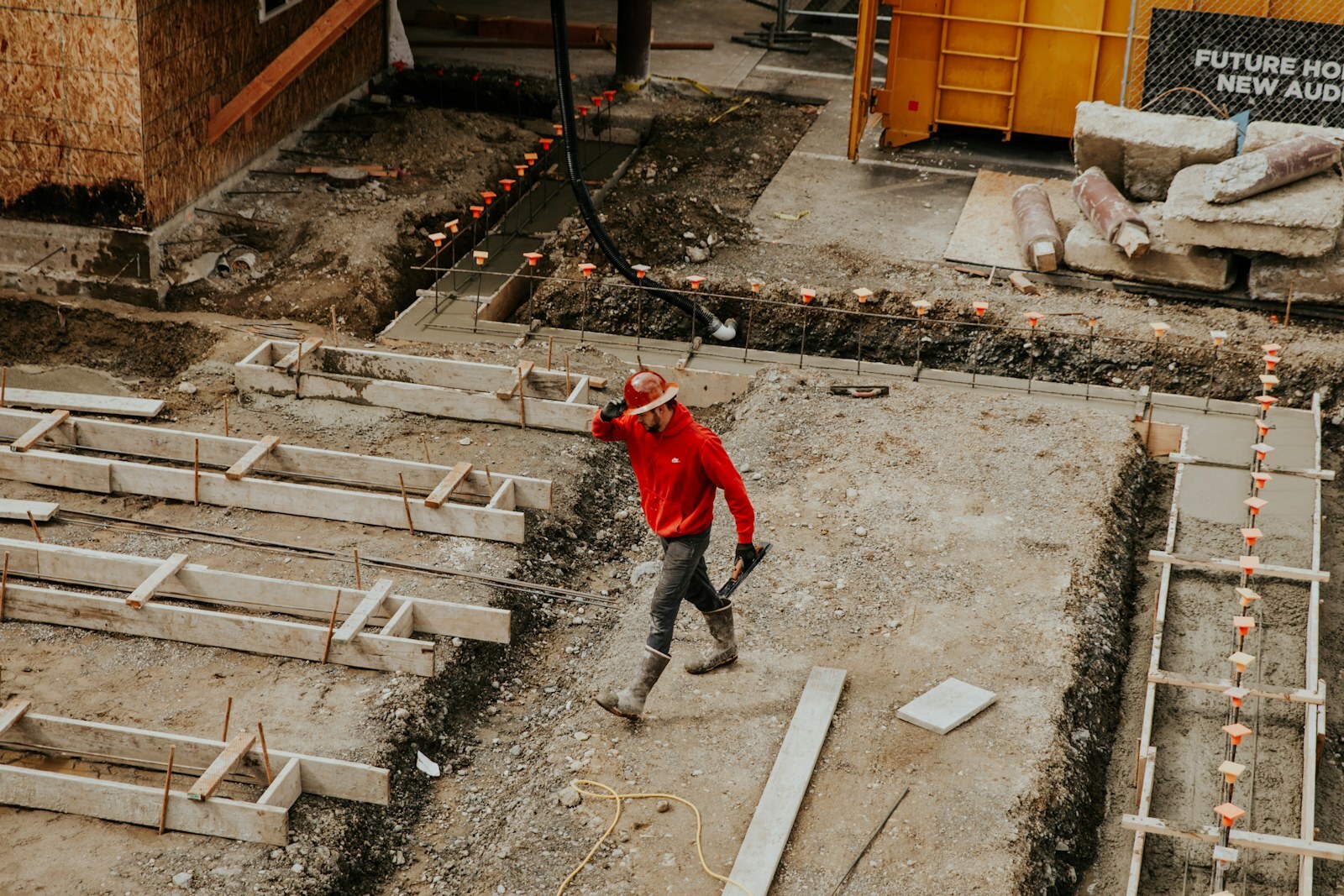
SoftWave Therapy for Physically Demanding Jobs in the Lehigh Valley
If your paycheck depends on your body, you already know that pain is often treated as part of the job. Framers, warehouse pickers, delivery drivers, landscapers, nurses, welders, and machine operators across the Lehigh Valley push through sore shoulders, aching backs, and tender joints every shift. The problem is that "pushing through" only works for so long. Small strains add up, tissue that never fully recovers becomes tissue that fails, and eventually a bad morning turns into missed work. At First Choice Chiropractic, Neurology, & Rehabilitation Center, Dr. Kurt R. Schichtl, DC helps people in physically demanding trades address the wear and tear before it forces them off the job, and SoftWave TRT is one of the tools he uses to support real tissue recovery rather than just masking discomfort.
Why Physical Work Wears the Body Down
Hard jobs do not usually cause one dramatic injury. More often they cause thousands of small ones. Every lift, twist, overhead reach, and repetitive motion loads your muscles, tendons, and joints. Your body repairs that load during rest, but when the demand keeps coming and recovery time stays short, the repair falls behind. This is called cumulative trauma, and it is the reason a healthy 35-year-old carpenter can end up with a shoulder that will not cooperate.
Certain patterns show up again and again in people who work with their hands and backs:
- Low back strain from lifting, bending, and carrying, especially when the load shifts or the footing is uneven.
- Shoulder and rotator cuff irritation from overhead work, reaching, and pulling, common in electricians, drywallers, and stockers.
- Tendonitis in the elbows, wrists, and knees from gripping tools, repetitive motion, and kneeling on hard surfaces.
- Neck and upper back tension from looking down at work, driving long routes, or holding awkward postures.
- Chronic joint aches that flare at the end of a long week and never quite reset over the weekend.
The frustrating part is the pressure to keep working through all of it. Hourly workers cannot always take a week off, and many worry that admitting to pain will cost them hours or a spot on the crew. So the pain gets managed with over the counter pills, braces, and hope, while the underlying tissue keeps struggling to heal. That approach can quiet the symptom for an afternoon, but it does nothing to help the tissue itself recover.
How SoftWave Supports Tissue Repair and Recovery
SoftWave TRT takes a different angle. Instead of covering up pain, it is designed to prompt the body's own healing response in the areas that are struggling. SoftWave uses electrohydraulic, spark-generated broad-focused acoustic waves delivered through a patented parabolic reflector. It is the only broad-focused shockwave technology, which sets it apart from radial, electromagnetic, and piezoelectric devices. Those broad waves spread through a wide zone of tissue and penetrate deep enough to reach the structures that get overworked on the job.
Here is the plain-language version of what those waves are designed to encourage:
- Activation and migration of resident stem cells, the repair cells your body already has in the tissue.
- Angiogenesis, or new blood vessel formation, through signals like VEGF and eNOS, which supports better circulation to areas that need to heal.
- Cell proliferation and collagen support through factors such as PCNA and BMP, which matter for rebuilding tendons and connective tissue.
- Modulation of inflammation, helping calm the low-grade irritation that lingers in overused areas.
- Regulation of toll-like receptors and clearance of senescent cells, part of helping tissue behave more like healthy, active tissue.
For someone whose tendons and joints are simply worn out from repetition, that focus on circulation and connective tissue is the point. SoftWave is FDA-cleared for the activation of connective tissue, a temporary increase in blood flow, and the temporary relief of minor muscle and joint pain. Those clearances line up directly with the kinds of aches that physical work produces. It is important to be conservative here: SoftWave is a support for recovery, not a guaranteed cure, and results vary from person to person.
What Treatment Actually Looks Like
One of the biggest reasons SoftWave fits working people is that it does not cost them downtime. The therapy is non-invasive. There are no needles, no drugs, and no surgery, which means no recovery period afterward. Sessions usually run about 10 to 15 minutes, so it is realistic to fit an appointment around a shift instead of taking a day off.
Most people go through a series of sessions over roughly 6 to 8 weeks. Because SoftWave stimulates your body's own repair processes, the healing continues for weeks and even months after the final session. You are giving overworked tissue a better chance to actually rebuild while you keep living your life. Many patients report feeling improvements as the series progresses, though how much and how fast depends on the individual, the tissue involved, and how long the problem has been building.
If you work a physically demanding job in the Lehigh Valley and you are tired of trading pills for the right to keep working, request a SoftWave consultation at First Choice Chiropractic and find out whether your specific issue is a good candidate.
How SoftWave Fits With Chiropractic Care
SoftWave is most powerful as part of a bigger plan, not a standalone gadget. For workers who spend all day loading their spine and joints, the way the body moves matters as much as the tissue itself. That is where Dr. Schichtl's chiropractic and rehabilitation approach comes in. Chiropractic care addresses joint motion and alignment, while SoftWave supports the soft tissue and circulation, and rehab exercises help retrain the area so it can handle the demands of the job again.
Think of it this way. If your shoulder hurts from years of overhead work, you want the joint moving correctly, the tendon getting the blood flow and repair signals it needs, and the surrounding muscles strong enough to protect it. A combined plan is built to help all three, which matters for people who cannot simply stop using the body part that hurts.
Staying on the Job Instead of Sitting Out
For someone in the trades, healthcare, warehousing, or delivery, the real goal is not just less pain. It is the ability to keep earning without your body giving out. SoftWave supports that goal in a few practical ways:
- No downtime from the treatment itself, so it fits around work.
- Short sessions that respect a tight schedule.
- A focus on genuine tissue recovery, not just temporary numbing.
- A drug-free option, which matters for anyone in a safety-sensitive role.
- A plan that can be paired with chiropractic care and rehab for longer-term durability.
None of this replaces sound medical advice, and SoftWave is not right for every condition or every person. Some issues need imaging, a physician, or a different intervention first. That is exactly why the process starts with an evaluation. Dr. Schichtl reviews your history, your work demands, and the specific area that is bothering you, then talks honestly about whether SoftWave and chiropractic care are a reasonable fit for your situation. A consultation, not a sales pitch, determines candidacy.
Ready to Take the Next Step?
If your job is hard on your body and you want to address the wear before it costs you shifts, take a few minutes to get evaluated and learn whether SoftWave TRT and chiropractic care can help you keep working comfortably. The sooner you address cumulative strain, the more options you tend to have.
Request your SoftWave Therapy new patient visit online today
Contact First Choice Chiropractic
First Choice Chiropractic, Neurology, & Rehabilitation Center
1301 Chestnut St
Emmaus, PA 18049
Phone: 610-967-4996
Our Main Office Website: https://fcemmauschiro.com/
‹ Back
Recent Posts
-
-

SoftWave Therapy for Tennis Elbow and Golfer's Elbow
June 2, 2026
-
SoftWave Therapy for Physically Demanding Jobs
May 12, 2026
-
SoftWave Therapy for Pickleball Players: Stay in the Game
April 21, 2026
-