
Blog
SoftWave Therapy for Pickleball Players: Stay in the Game
SoftWave Therapy for Pickleball Players: Stay in the Game
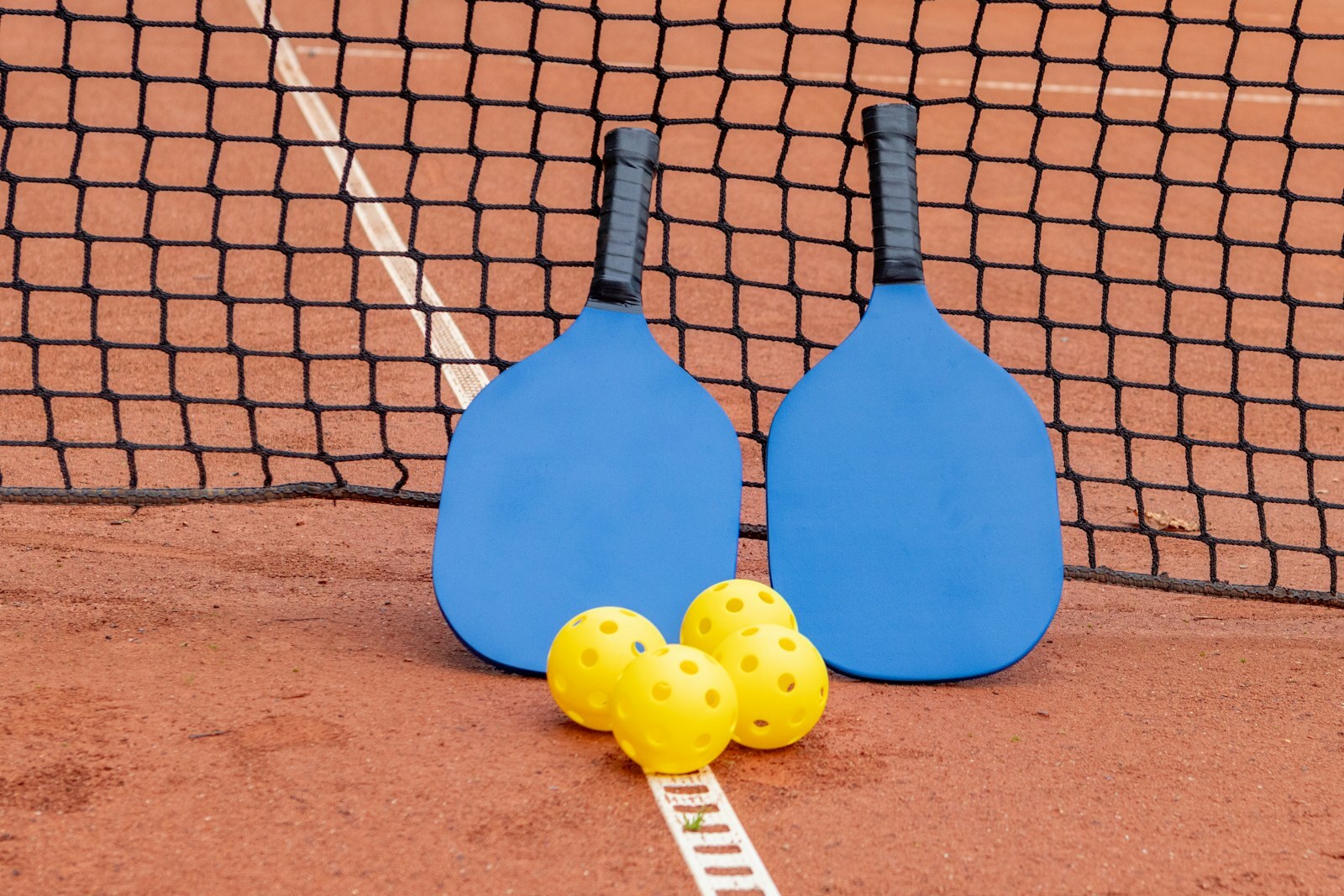
Walk past any park, community center, or gym in the Lehigh Valley these days and you are likely to hear it: the sharp pop of a paddle meeting a plastic ball, followed by laughter and a little friendly trash talk. Pickleball has exploded across Emmaus, Allentown, Bethlehem, and the surrounding towns, and it has become one of the most popular ways for active adults to stay moving, stay social, and stay competitive. It is easy to learn, easy on the schedule, and genuinely fun. What it is not, unfortunately, is injury-proof. As more players spend more hours on the court, more of them are dealing with sore elbows, cranky shoulders, tight Achilles tendons, and aching knees that just will not settle down.
At First Choice Chiropractic, Neurology, & Rehabilitation Center, Dr. Kurt R. Schichtl, DC, sees a steady stream of local pickleball enthusiasts who love the game but hate the downtime that comes with an overuse injury. That is where SoftWave TRT (Tissue Regeneration Technology) enters the picture. SoftWave is a non-invasive approach designed to support the body's natural healing response in overworked soft tissue, and for many recreational and competitive players it offers a path back to the court that does not rely on drugs, needles, or surgery. Here is what pickleball players in the Lehigh Valley should understand about their most common injuries and how SoftWave may help.
Why Pickleball Injuries Happen More Than You Think
Pickleball rewards quick lateral movement, sudden stops, repeated overhead and side-arm swings, and plenty of reaching for that low dink at the kitchen line. For active adults, especially those over 50, the sport delivers a fantastic workout. The catch is that the same repetitive motions that make you better also load the same tendons, muscles, and joints over and over again. Add in the fact that many players jump into full matches without a proper warm-up, and you have a recipe for classic overuse and strain injuries.
The Most Common Pickleball Injuries
A handful of injuries show up again and again among players in our area. Knowing them can help you catch a problem early, before it turns into weeks off the court.
- Pickleball elbow (lateral epicondylitis). Often called tennis elbow, this is inflammation and micro-damage in the tendons on the outside of the elbow. Repeated gripping, flicking, and paddle contact irritate the tissue, producing a nagging ache that flares every time you swing.
- Rotator cuff strain. Overhead serves, put-away shots, and reaching backhands ask a lot of the shoulder. The rotator cuff muscles can become strained or inflamed, leaving you with pain when you lift your arm or sleep on that side.
- Achilles tendon issues. The quick starts, stops, and pushes off the back foot place major stress on the Achilles tendon. Players often feel tightness or a deep ache at the back of the heel that lingers long after the game ends.
- Knee pain. Pivoting, lunging, and absorbing repeated impact can aggravate the tendons and cartilage around the knee, particularly for players with a history of wear and tear.
- Wrist strain. All that paddle control and spin comes from the wrist, and the small tendons there can become overworked and inflamed with heavy play.
Why Soft-Tissue Injuries Are So Slow to Heal
If you have ever wondered why a stubborn elbow or Achilles problem hangs on for months, the answer lies in biology. Tendons and ligaments have a relatively poor blood supply compared to muscle. Blood delivers oxygen, nutrients, and the cellular building blocks that tissue needs to rebuild, so areas with limited circulation simply repair more slowly. On top of that, overuse injuries rarely get true rest. Most of us keep using the arm, the shoulder, or the leg for daily activities, which interrupts healing before it finishes. The result is a cycle of partial recovery, re-irritation, and lingering discomfort that keeps you sidelined or playing at less than your best.
How SoftWave Helps Pickleball Players Recover
SoftWave TRT uses electrohydraulic, spark-generated acoustic waves delivered through a patented parabolic reflector. This design produces broad-focused shockwaves, which set SoftWave apart from radial, electromagnetic, and piezoelectric devices. The waves penetrate deep into tissue and are designed to trigger the body's own healing cascade in the exact areas that tend to heal slowly on their own. Rather than masking pain, the goal is to support genuine tissue repair.
In plain language, here is what SoftWave is designed to encourage in overworked tendons, muscles, and joints:
- Resident stem cell activation. The waves are designed to stimulate and mobilize the body's own repair cells toward the injured area.
- New blood vessel formation (angiogenesis). By supporting signals such as VEGF and eNOS, SoftWave aims to improve local circulation, which is exactly what those poorly supplied tendons need.
- Cell proliferation and collagen support. Signals tied to PCNA and BMP are associated with building new, healthy tissue and stronger collagen.
- Modulation of inflammation. The therapy is designed to help calm the persistent inflammation that keeps overuse injuries stuck.
- Clearing out worn-out cells. SoftWave may help the body clear senescent cells and regulate toll-like receptors, both part of a healthier repair environment.
Among its FDA-cleared uses, SoftWave is cleared for activation of connective tissue, a temporary increase in blood flow, and temporary relief of minor muscle and joint pain. For a pickleball player battling a sore elbow or tight Achilles, that combination speaks directly to the tissues under stress.
If you are in the Lehigh Valley and a stubborn pickleball injury is keeping you off the court or holding back your game, request a SoftWave consultation at First Choice Chiropractic to find out whether this approach fits your situation.
What a SoftWave Session Is Actually Like
One of the biggest reasons active players appreciate SoftWave is how little it disrupts their lives. There are no needles, no drugs, no surgery, and no required downtime afterward, so you are not trading your pickleball habit for weeks on the couch. Individual sessions typically run about 10 to 15 minutes. Most people go through a series of sessions over roughly 6 to 8 weeks, and because the therapy works with your body's own biology, healing often continues for weeks to months after your final visit. Many patients report gradual improvement in comfort and function as the series progresses, though it is important to remember that results vary from person to person.
A Responsible Word About Expectations
SoftWave is a promising tool, but it does not replace sound medical advice. Every player's body, injury history, and goals are different, which is why a thorough consultation matters. Dr. Schichtl evaluates your specific injury, activity level, and overall health to determine whether SoftWave is appropriate for your plan. The aim is a smart, individualized approach, not a one-size-fits-all promise. SoftWave has been studied at leading institutions and is used by clinicians who work with professional and collegiate athletes.
The bottom line for Lehigh Valley pickleball players is simple. You do not have to accept a nagging elbow or a tender Achilles as the price of a sport you love. By supporting the body's natural repair process in the tissues that heal slowly on their own, SoftWave may help you get back to the kitchen line with more confidence and less discomfort.
Ready to Take the Next Step?
If pickleball pain is cutting your matches short, find out whether SoftWave Therapy fits your recovery so you can protect the game you love and stay in it for the long haul. A consultation is the first step toward a plan built around you.
Request your SoftWave Therapy new patient visit online today
Contact First Choice Chiropractic
First Choice Chiropractic, Neurology, & Rehabilitation Center
1301 Chestnut St
Emmaus, PA 18049
Phone: 610-967-4996
Our Main Office Website: https://fcemmauschiro.com/
‹ Back
Recent Posts
-
-
SoftWave Therapy for Tennis Elbow and Golfer's Elbow
June 2, 2026
-
SoftWave Therapy for Physically Demanding Jobs
May 12, 2026
-
SoftWave Therapy for Pickleball Players: Stay in the Game
April 21, 2026
-