
Blog
The Science of Angiogenesis: How SoftWave Boosts Blood Flow to Heal
Why Blood Flow Is the Missing Piece in Slow Healing Across the Lehigh Valley
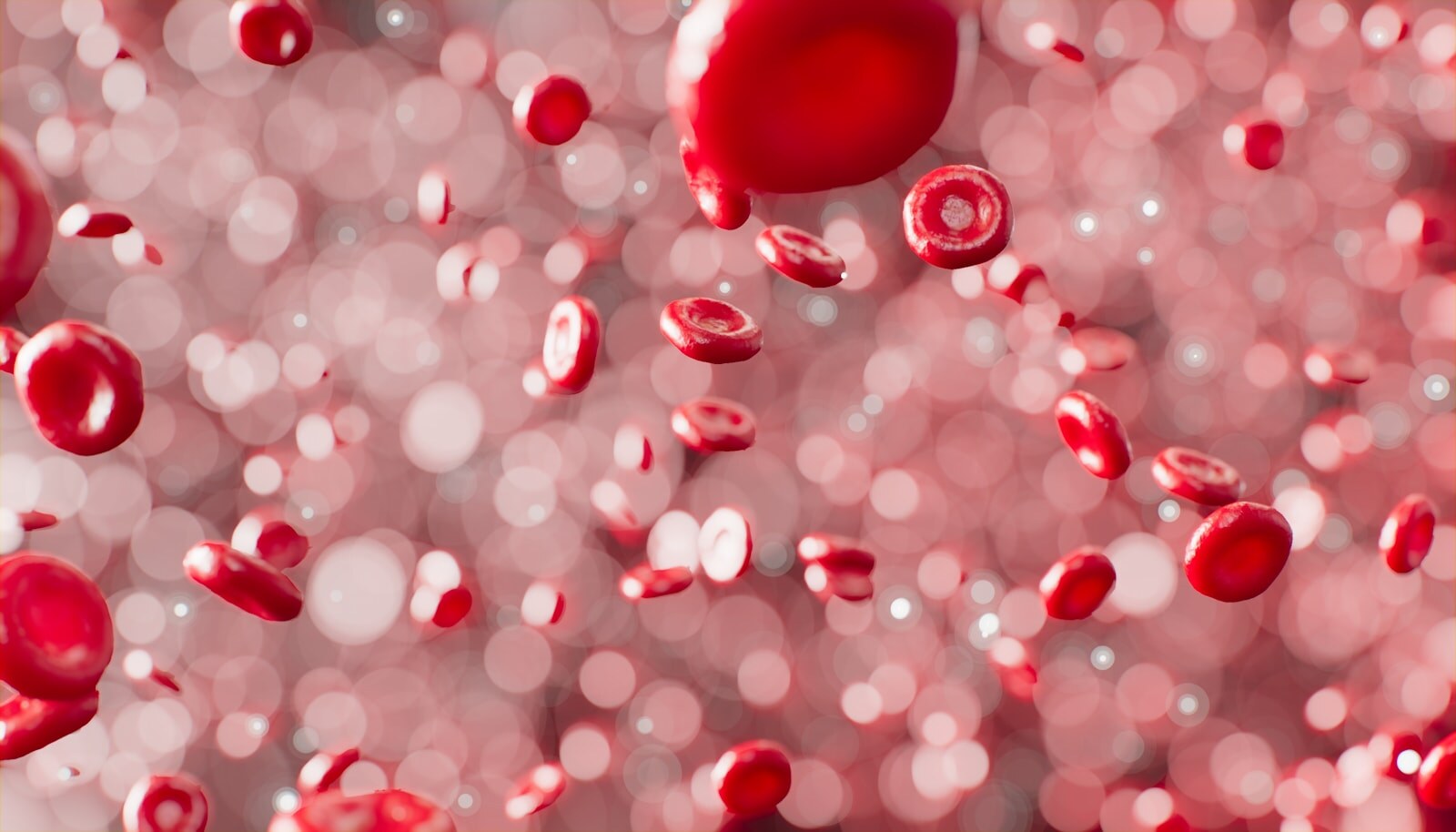
If you have ever nursed a stubborn tendon injury or an ache that refuses to fade, you may have wondered why some tissues bounce back in days while others linger for months. The answer often comes down to one thing that rarely gets talked about: blood flow. Circulation is the delivery system your body relies on to bring oxygen, nutrients, and repair cells to injured tissue. When that delivery slows or the local blood supply is thin to begin with, healing crawls. This is where a process called angiogenesis, the formation of new blood vessels, becomes central to recovery.
At First Choice Chiropractic, Neurology, & Rehabilitation Center in Emmaus, PA, Dr. Kurt R. Schichtl, DC helps patients throughout the Lehigh Valley understand what is actually happening beneath the surface when tissue struggles to heal. One of the tools he uses is SoftWave TRT, a non-invasive shockwave therapy designed to encourage the body's own healing cascade, including angiogenesis. This article breaks the science down into plain language so you can understand why circulation matters so much and how SoftWave is designed to support it.
What Angiogenesis Actually Means
Angiogenesis is your body building new blood vessels from existing ones. It is a normal, essential biological process that happens throughout life. When you are healthy, it maintains your tissues quietly in the background. When you are injured, it ramps up to serve a specific purpose: getting more blood, and everything blood carries, into the area that needs to rebuild.
Think of an injured tendon or muscle as a construction site. To rebuild, that site needs a steady stream of supplies and workers. Blood vessels are the roads that carry them in. If the existing roads are too few or too narrow, the supplies arrive slowly and the project drags. Angiogenesis is the body's way of paving new roads directly to the site so the rebuilding crew can get to work faster and stay supplied.
What travels along those roads? Oxygen for energy, nutrients and amino acids to build new tissue, repair cells that clear damage and lay down fresh collagen, and a way to carry off waste. Without robust circulation, all of these functions bottleneck, and healing stalls.
Why Some Tissues Heal So Slowly
Not all tissue is created equal when it comes to blood supply. Muscle is richly vascularized, which is part of why a pulled muscle often recovers reasonably well. But tendons, ligaments, and fascia are a different story. These connective tissues are naturally low in blood vessels. They are built to be strong and to transmit force, not to be metabolically busy, so they carry a sparse blood supply by design.
That sparse supply has a real consequence. When you injure a poorly vascularized tissue like the Achilles tendon, the plantar fascia in your foot, or a ligament around a joint, the area simply does not have the built-in circulation to deliver repair resources quickly. The result is the frustratingly slow recovery that so many people experience with conditions like tendinopathy, plantar fasciitis, and chronic ligament strains. It is not that your body has given up. It is that the local plumbing was never designed for a fast rebuild.
This is why improving local circulation is such a meaningful target for these kinds of injuries. If you can encourage the body to build more blood vessels in and around the damaged tissue, you help solve the underlying supply problem that made healing slow in the first place.
How SoftWave Is Designed to Encourage Angiogenesis
SoftWave TRT uses electrohydraulic, spark-generated acoustic waves delivered through a patented parabolic reflector. Unlike radial, electromagnetic, or piezoelectric devices, SoftWave produces broad-focused shockwaves that spread energy across a wider volume of tissue and penetrate deep enough to reach structures that surface treatments cannot. The point of that mechanical energy is not to force anything. It is to signal.
When these waves pass through tissue, they create a controlled mechanical stimulus that the body interprets as a cue to activate its natural healing cascade. Part of that cascade involves signaling factors tied directly to new blood vessel formation. Two that researchers connect to angiogenesis are VEGF, or vascular endothelial growth factor, and eNOS, endothelial nitric oxide synthase.
In plain terms, VEGF is a chemical messenger that tells the body to build new blood vessels. It is one of the primary signals that kicks off angiogenesis. eNOS is involved in producing nitric oxide, a molecule that helps blood vessels relax and widen, improving flow through the vessels that are already there. Together, these factors support both the creation of new circulation pathways and better flow through existing ones. SoftWave is designed to stimulate this kind of signaling as part of a broader response that also includes activation of the body's resident stem cells, modulation of inflammation, and cellular processes that support collagen and tissue rebuilding.
The Science in Plain Language
- Mechanical signal: Broad-focused acoustic waves deliver energy deep into tissue, giving the body a physical cue to start repairing.
- VEGF response: This growth factor acts as a call to build new blood vessels, the core of angiogenesis.
- eNOS and nitric oxide: These help existing vessels relax and widen, supporting better local blood flow.
- Stem cell activation: The therapy is designed to wake up and mobilize the body's own resident repair cells.
- Better supply lines: More and healthier vessels mean more oxygen, nutrients, and repair cells reaching tissue that was starved of them.
It is worth being clear about what the science supports and what it does not. SoftWave is FDA-cleared for the activation of connective tissue and for a temporary increase in blood flow, along with temporary relief of minor muscle and joint pain. The improvement in circulation it produces is described as temporary, and the goal is to nudge the body's own repair systems, not to replace them. Results vary from person to person, and no therapy guarantees an outcome.
If you are in the Lehigh Valley and dealing with a slow-healing tendon, ligament, or fascia injury that better circulation might support, request a SoftWave consultation at First Choice Chiropractic.
What Better Circulation Can Mean for Your Recovery
When local blood flow improves, the practical benefits follow the biology. Tissue that was slow to heal because it was undersupplied now has a better chance of receiving what it needs. Many patients pursue SoftWave specifically because it offers a non-invasive path with no needles, no drugs, and no surgery or downtime. Sessions typically run about 10 to 15 minutes, and most people go through a series over roughly 6 to 8 weeks.
One point that surprises people is that the process keeps working after the appointments end. Because SoftWave is designed to trigger the body's own healing response, the angiogenesis and tissue repair it encourages can continue for weeks to months after your final session. You are giving your body a running start on a repair project it will carry forward on its own.
SoftWave is not a cure-all, and it does not replace a proper diagnosis or medical advice. A consultation with Dr. Schichtl is how you find out whether your specific condition is a reasonable fit and what a realistic plan might look like for you. That conversation sets honest expectations from the start.
Ready to Take the Next Step?
If poor circulation may be part of why your injury keeps lingering, understanding your options is the first move toward feeling better. Reach out today and learn whether SoftWave TRT could support your body's natural healing in the Lehigh Valley.
Request your SoftWave Therapy new patient visit online today
Contact First Choice Chiropractic
First Choice Chiropractic, Neurology, & Rehabilitation Center
1301 Chestnut St
Emmaus, PA 18049
Phone: 610-967-4996
Our Main Office Website: https://fcemmauschiro.com/
‹ Back
Recent Posts
-
-
SoftWave Therapy for Tennis Elbow and Golfer's Elbow
June 2, 2026
-
SoftWave Therapy for Physically Demanding Jobs
May 12, 2026
-
SoftWave Therapy for Pickleball Players: Stay in the Game
April 21, 2026
-